Blocked, Banned, and Broke: The Harsh Truth About Playing Outside Your State's Lines
Let's be real for a second. If you've ever Googled "can I use a VPN to access online casinos," you're not alone. Millions of US players sit just across an invisible state line from legal online gaming markets, staring at a "not available in your region" splash screen like it personally insulted them. It's frustrating. It feels arbitrary. And yeah, the workaround seems obvious.
But here's the thing: the workaround doesn't actually work anymore. And trying it can cost you a lot more than just a blocked session.
How Geolocation Technology Actually Works
Most people assume geolocation is just IP address detection — slap on a VPN, swap your IP to a New Jersey server, done. That's how it worked maybe ten years ago. Today's verification systems are a completely different beast.
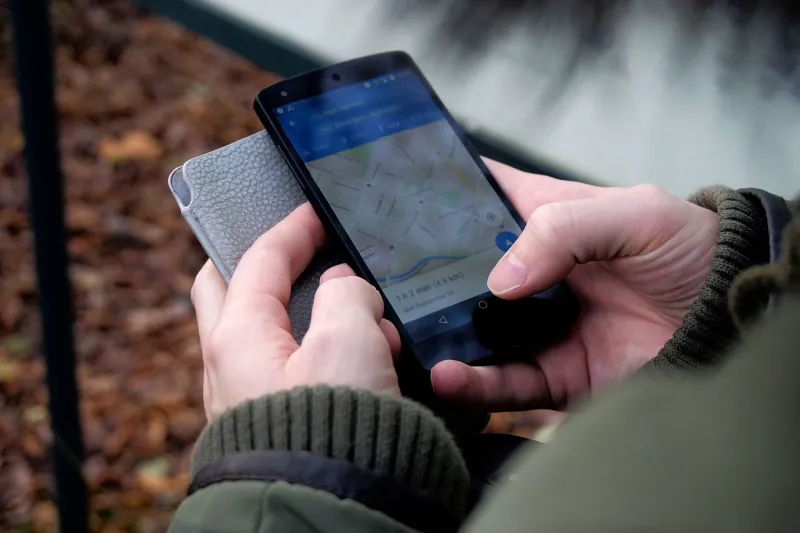
Licensed gaming operators in the US are required by state regulators to use certified geolocation providers. Companies like GeoComply — which processes billions of location checks annually for major sportsbooks and casinos — use a layered approach that goes way beyond your IP address. They're cross-referencing:
- GPS data from your device
- Wi-Fi triangulation using nearby network signals
- Cell tower data from your mobile carrier
- Browser and app permissions that pull real-time location
- VPN and proxy detection algorithms specifically designed to flag masked connections
GeoComply's own numbers suggest they catch over 99% of location fraud attempts. That's not a marketing claim — state gaming commissions audit this stuff. The technology is genuinely that sophisticated.
So when you fire up a VPN and try to log into DraftKings from Georgia while routing through a Pennsylvania server, the system isn't just checking your IP. It's noticing that your GPS says one thing, your Wi-Fi environment says another, and your connection profile matches known VPN infrastructure. You get flagged before you place a single bet.
What Actually Happens When You Get Caught
This is where it gets uncomfortable. Operators don't just lock you out of a session — the consequences can follow you.
At the lightest end, your account gets temporarily suspended and your session is voided. Any winnings from that session? Gone. Even if you were up $800 on a parlay, if the system flags a location violation mid-session, operators reserve the right to void the results. And that's spelled out in the terms of service you agreed to.
More seriously, repeat violations or verified fraud attempts can result in permanent account bans. That means losing your remaining balance, your loyalty points, and any pending withdrawals. Some operators share flagged account data across platforms, which means one ban can ripple into others.
In extreme cases — we're talking deliberate, documented fraud — state gaming regulators can refer matters for criminal review. That's rare, but it's on the table. The legal framework treats jurisdiction violations as a compliance issue, not just a technical hiccup.
The bottom line: the risk-reward math here is terrible. You're risking your account balance, your withdrawal history, and potentially your ability to play on any licensed US platform — all to access games you could legally reach by just... driving to the right state.
The State-by-State Reality Check
Here's where things get genuinely useful. Rather than trying to hack the system, it's worth knowing exactly where you can play legally right now. The US market has expanded significantly, and there's a decent chance you're closer to a legal option than you think.
States with legal online casino gaming:
- New Jersey — The gold standard. Full online casino, poker, and sports betting. Every major operator is licensed here.
- Pennsylvania — Robust market with slots, table games, live dealer, and sports betting all legal online.
- Michigan — Strong market, growing fast. Online casino and sports betting both fully operational.
- Connecticut — Smaller market but legit options through Mohegan and Mashantucket Pequot tribal compacts.
- West Virginia — Legal framework in place; operational options have expanded in recent years.
- Delaware — Limited but legal online casino options through the state lottery system.
- Rhode Island — Recently expanded, with online casino gaming now live.
States with legal online sports betting only (no casino): This is the bigger category — over 30 states now have some form of legal sports wagering, including Colorado, Arizona, Illinois, New York, Virginia, Tennessee, Indiana, Iowa, and many more. If sports betting is your thing, you've got real options in a lot of places.
States where nothing is legal yet: A handful of states — including California, Texas, Florida, and Georgia — remain largely locked down for online gaming. This is where the VPN temptation is strongest, and where the risks are highest.
Why Legitimate Play Actually Wins Long-Term
Here's an angle that doesn't get discussed enough: playing on licensed platforms isn't just legally safer — it's financially smarter.
Licensed operators in regulated states are subject to payout audits, responsible gaming requirements, and dispute resolution processes. If a licensed New Jersey casino owes you money, there's a regulatory body you can actually complain to. If an offshore site that you accessed via VPN decides to freeze your withdrawal? You have zero recourse. None. There's no consumer protection for activity that happens outside the legal framework.
Licensed platforms also tend to offer better bonus structures with published terms, verified RTP rates, and loyalty programs that actually pay out. When GP Win Links points you toward a deal, it's always toward an operator that's cleared the legal bar in your state — because a promo that gets your account banned isn't a deal, it's a trap.
The Smart Move Is Simple
If you're in a state with legal gaming, use it. The licensed market has more options, better protections, and increasingly competitive offers. If you're in a state that hasn't opened up yet, the honest answer is to wait — the legislative pace has been genuinely fast, and more states are on the way.
And if you're tempted to VPN your way in? Just know that the technology catching you is built by the same companies that power the platforms. They're not running basic IP checks. They're running forensic location analysis, and they're very good at it.
The geolocation wall isn't going anywhere. But the number of states where it doesn't apply to you? That list keeps growing. Play where you're legal, play with operators who are licensed, and let GP Win Links do the work of finding you the best deals within those lines. That's the edge that actually holds up.